Sales processes are systematic sequences of business activities where goods or services are transferred from a seller to a buyer in exchange for money or other compensation. The exact nature and steps in a sales process can vary depending on the nature of the product, service, industry, and individual company practices. However, in the context of a typical ERP system like SAP, sales processes can be broken down as follows:
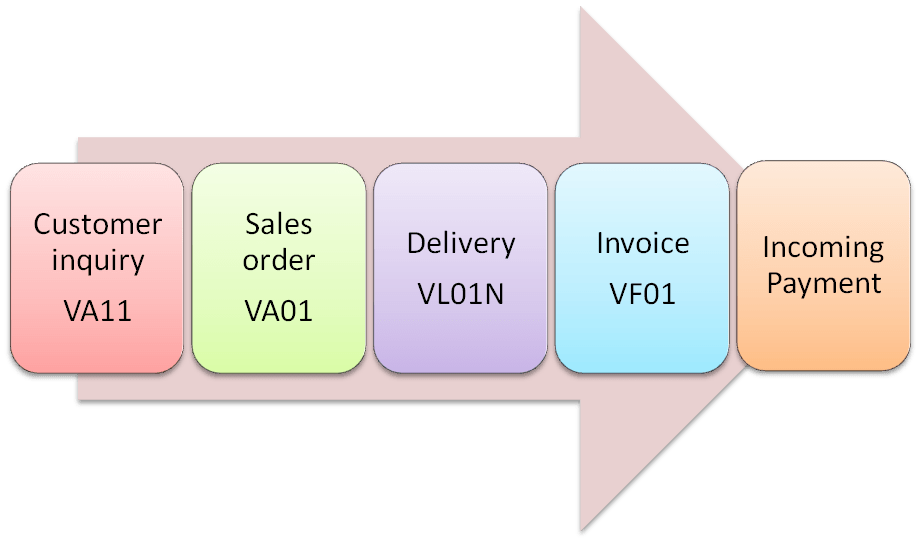
Pre-sales Activity
| Who conducts it | Sales and marketing teams are usually involved in pre-sales activities. They gather customer requirements, provide preliminary product or service information, and perhaps engage in initial negotiations. |
| Needs to be done at this stage | Market Research: Identification of potential customer needs and market trends. Lead Generation: Through marketing campaigns, cold calls, and other outreach methods. Customer Engagement: Initial discussions to understand customer requirements better. Product/Service Demos: Showcasing of the products/services to the potential customers. Requirement Gathering: Documenting specifics of what the customer needs. |
| Influence | Pre-sales activities set the tone for the potential sale. They can help in understanding customer needs, building relationships, and ensuring that the product or service offered aligns with customer expectations. |
| In the SAP system | Pre-sales activities are often represented through inquiries and quotations. These are preliminary documents before an actual sales order is created |
| Key transactions in SAP | VA11 inquiry creation- to create a new customer inquiry. VA21 quotation creation – based on the inquiry, a quotation is created which provides specific pricing and conditions to the customer. |
Sales Order Processing
| Who conducts it | Sales teams or customer service representatives handle the processing of sales orders based on confirmed quotations or direct customer orders. |
| Needs to be done at this stage | Order Receipt: Taking the order details from the customer. Order Confirmation: Acknowledging the receipt of the order and confirming the same to the customer. Credit Check: Ensuring the customer has the necessary creditworthiness to make the purchase. Availability Check: Verifying if the required goods are available in stock. |
| Influence | This is the stage where a potential sale becomes confirmed. Proper handling ensures customer satisfaction and timely delivery. |
| In the SAP system | Once the quotation is accepted by the customer, a sales order is created in the system. |
| Key transactions in SAP | VA01 create sales document – to create a new sales order. A sales order contains all the necessary information to process the customer’s request throughout the entire processing cycle. This information includes details of the products or services, quantities, prices, discounts, delivery method, customer address, and contact information. Additionally, payment terms and order fulfillment timelines may be specified in the order. With every action or transaction, the system automatically captures and stores detailed logs, enabling users to track changes, review process flows, and audit actions when necessary. |
Delivery
| Who conducts it | Warehousing and logistics teams are responsible for ensuring that goods are delivered to customers based on sales orders. |
| Needs to be done at this stage | Picking: Selecting the right goods from the warehouse based on the sales order. Packing: Packaging the goods securely for shipment. Shipping: Arranging logistics to transport the goods to the customer. Delivery Confirmation: Notifying the customer about the shipment details. |
| Influence | Timely and accurate delivery is crucial for customer satisfaction and building trust. |
| In the SAP system | Once the sales order is in place, and goods are available, a delivery document is created to facilitate the shipment of the goods. |
| Key transactions in SAP | VL01N create delivery- to create a delivery for the sales order. |
Billing
| Who conducts it | Finance or accounts receivable departments handle the billing process. |
| Needs to be done at this stage | Invoice Creation: Generating an invoice based on the delivered goods and sending it to the customer. Payment Terms: Setting the terms (like due date) for the payment of the invoice. Revenue Recognition: Accounting for the sales revenue post-delivery and billing. Payment Follow-up: Engaging with customers for payment post the due date if not received. |
| Influence | Proper billing ensures correct revenue recognition and affects cash flows. |
| In the SAP system | After delivery, an invoice is created in the system to bill the customer. |
| Key transactions in SAP | VF01 Invoice creation- to create an invoice based on the delivery. |
Post-sales Activity
| Who conducts it | After-sales support teams, which could include customer service representatives, technical teams, or product specialists. |
| Needs to be done at this stage | Payment processing: Receiving and accounting for the payment from the customer. Customer Support: Addressing queries, complaints, or feedback. Returns and complaints handling: Managing any products returned or complaints raised by the customer. Installation & Training: Assisting with product setup or offering usage guidance. Maintenance & Repairs: Providing services for products under warranty or maintenance agreements. Feedback Collection: Obtaining insights on user experience and product performance. |
| Influence | The efficiency of post-sales activity directly impacts customer satisfaction, repeat business, brand loyalty, and referrals. |
| In the SAP system | Service or support tickets can be logged and monitored.Warranty and service details are maintained and tracked.Customer interactions and feedback are recorded for quality and analysis purposes. |
| Key transactions in SAP | IW51 create service notification- to create a service notification. The service notification is a key element in the Customer Service module. It captures defects, issues, or other problems reported by customers or internal users. IW21 warranty claims- To create a maintenance request based on warranty claims. If warranty claims have a dedicated process in an organization, it might be handled by custom transaction codes, or there might be a specific notification type dedicated to warranty claims. |
Analysis
| Who conducts it | Sales analysts, marketing professionals, finance teams, and managerial staff. |
| Needs to be done at this stage | Sales Data Aggregation: Compiling all relevant sales figures. Performance Metrics Analysis: Evaluating metrics such as sales volume, revenue growth, conversion rates, etc. Sales Forecasting: Predicting future sales using historical data and trends. Data Segmentation: Breaking down sales data by parameters like region, product, customer demographics, etc. |
| Influence | Sales data analysis can provide actionable insights which can be pivotal for shaping future sales strategies, optimizing marketing campaigns, and making informed business decisions. |
| In the SAP system | Sales forecasting: Predicting future sales based on historical data.Sales reporting: Reporting on sales performance, trends, etc.Customer feedback and improvement: Gathering feedback from customers to improve the sales process or product. |
| Key transactions in SAP | VA05 – list of sales orders. MC+A Customer Analysis – Sales analysis by various parameters. F.01 financial statement – for financial forecasting. It can be used for analysis based on sales data. |
Throughout these stages, communication and coordination between various departments – such as sales, finance, warehousing, and logistics – are crucial to ensure the seamless flow of the process and to ensure customer satisfaction. In the SAP system, all sales processes are meticulously documented and logged to ensure data accuracy, traceability, and accountability. The system’s robust design ensures that data from master records and control tables, which have been previously set up, are automatically pulled into relevant transactions. This not only streamlines the sales order creation process but also significantly reduces the potential for input errors.
All sales processes in the SAP system are comprehensively documented within the system. This documentation encompasses various aspects such as order creation, customer information, pricing structures, and delivery procedures. Having this information readily available in the system ensures transparency, accuracy, and efficiency in managing sales operations.
 © ERPFlowTech